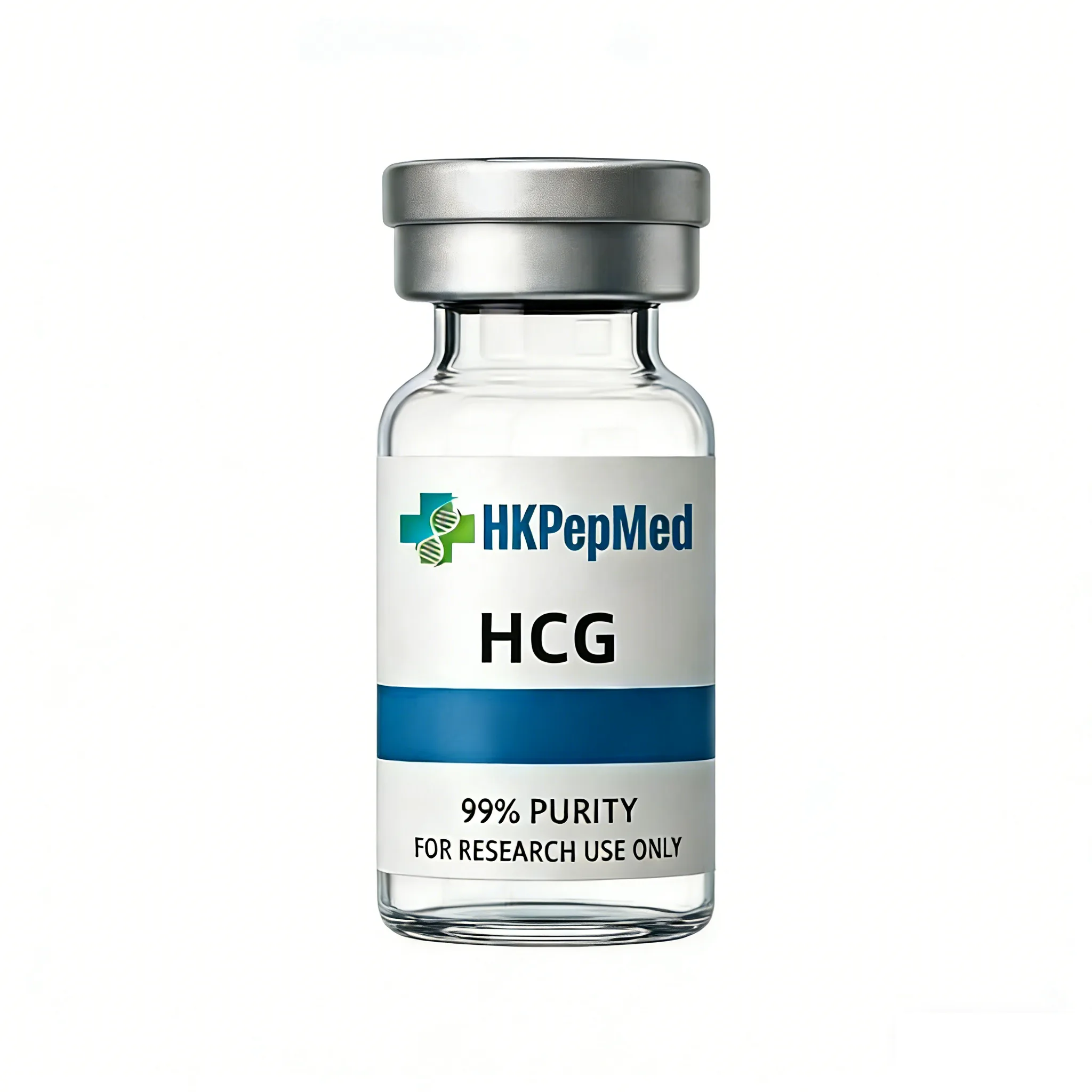
HCG
Contact Us →HCG (Human Chorionic Gonadotropin) is a glycoprotein hormone produced primarily by the placenta during pregnancy. It has attracted growing interest in research focused on reproductive health, hormonal regulation, and metabolic function.
Studies have shown that HCG acts as an analogue of luteinizing hormone (LH), binding to LH receptors and stimulating testosterone production in males and ovulation in females. It is widely used to preserve fertility and prevent testicular atrophy. It may also play a role in hypogonadism management, weight loss protocols, and early pregnancy detection research.
Key Research Areas:
-
LH receptor activation and testosterone stimulation
-
Male hypogonadism and fertility preservation
-
Female ovulation induction and reproductive health
-
Testicular atrophy prevention and spermatogenesis support
-
Metabolic and weight loss research